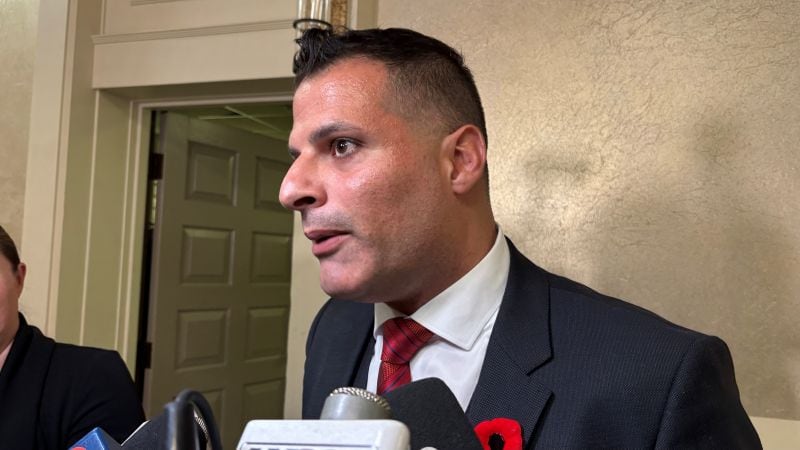
Windsor’s new mayor-elect says the concept of The Village at The Barn doesn’t make sense.
Fred Francis told reporters following Monday’s election that he doesn’t think it will work from a number standpoint, and it’s not something he’s focused on.
“If the province wants to give us $50 million or $60 million, we could use that money to build affordable, permanent housing that I think would help reduce the number of homeless in our city a lot more effectively than a makeshift shelter,” he said.
The estimated price tag is $55-$60 million to turn the former Windsor Arena into an indoor village that could house and support people experiencing homelessness, mental health, or addiction issues.
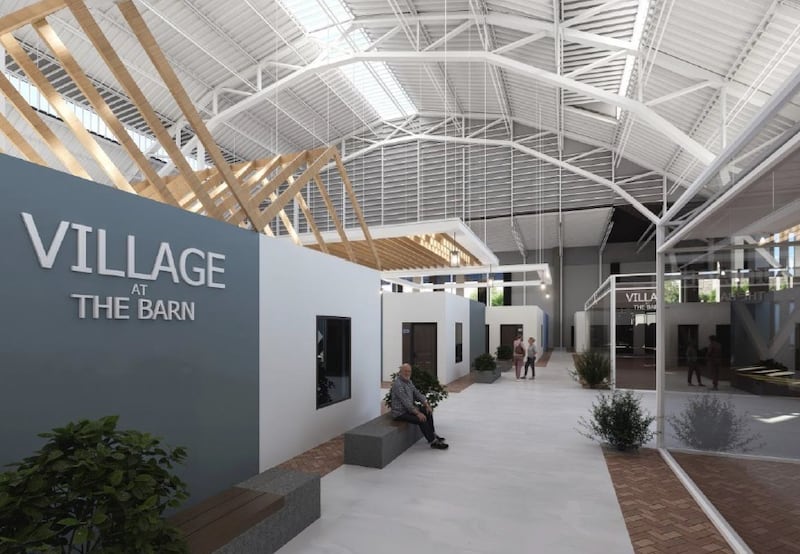
The proposal announced this past May calls for a supportive pod-style village that would provide housing and wrap-around support services with the goal of helping people eventually move into permanent housing in the community and take next steps toward their well-being.
The plan would require federal and provincial funding along with funding from the city.
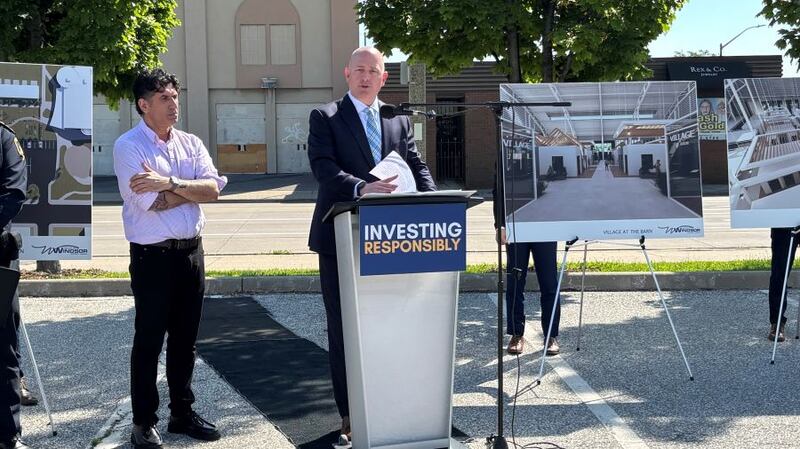
Ward 3 Councillor Renaldo Agostino, who was elected to a second term, has been a supporter of the proposal to help address homeless and mental health issues downtown, the area he represents.
Agostino said there are going to be some very important conversations on what they need to do to support the most vulnerable people out there.
“We need something that has wraparound supports for the lowest of barriers for the most vulnerable people in our community that helps them get better, that gives them dignity, and that gets them off the streets and gives our businesses and residents downtown a chance to grow as well because they’re affected by this,” he said.
In June, the city council approved endorsing the proposal and $2.5 million in funding previously approved in principle in the 2026 Capital Budget, which will allow administration to complete further investigative work on the former Windsor Arena site. Francis was the lone vote against the proposal.
The approval did not commit the city to building the project but allowed city staff to begin developing more accurate construction and operating cost estimates, with a report expected to come before the council in spring 2027.
Francis said the concept has to make sense, and right now it doesn’t.
“If the numbers don’t add and it’s nothing that can happen, I think they’ll be able to see a smart business case. If you provide them with an alternative that makes more sense and is more cost-effective, but more importantly, I think the majority of council would go that way,” he said.
Agostino said it’s going to be a very difficult conversation to have if you want to walk away from it without having something tangible because they have to address these problems, which continue to get worse and bleed out to the rest of the city.
“You’re seeing the ramifications of what not acting on that is, and we need to act now. I certainly will stress that to mayor-elect Francis,” he said.
The concept is being modelled after Avivo Village in Minneapolis, Minnesota, a low-barrier transitional housing sanctuary that offers 100 private units and holistic support services in a repurposed former industrial warehouse.
The arena at the corner of McDougall Avenue and Wyandotte Street East was built in 1927 but has been unused for several years after being permanently closed in 2012.