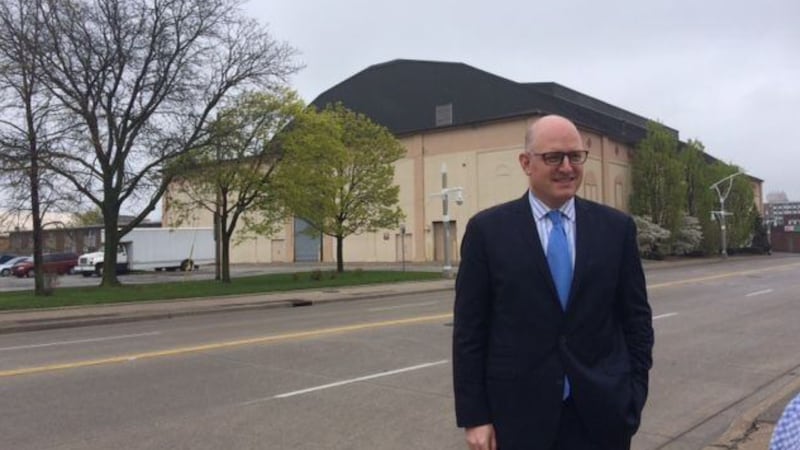
Windsor Mayor Drew Dilkens believes it’s realistic the city can secure funding from upper levels of government for “The Village at The Barn” plan.
Speaking on AM800’s Mornings with Mike and Meg, Dilkens says the plan needs to be looked at as housing and not a shelter system.
“This is not a shelter that we’re creating,” says Dilkens. “This is actually a form of housing, and we think there are programs available that will allow us to tap into it to secure some money at both levels of government.
City Council will be discussing the plan and its estimated price tag at Monday’s council meeting.
The city is estimating the cost to be between $55 and $60 million to turn the former Windsor Arena into an indoor village for housing as well as supporting people experiencing homelessness, mental health, or addiction issues.
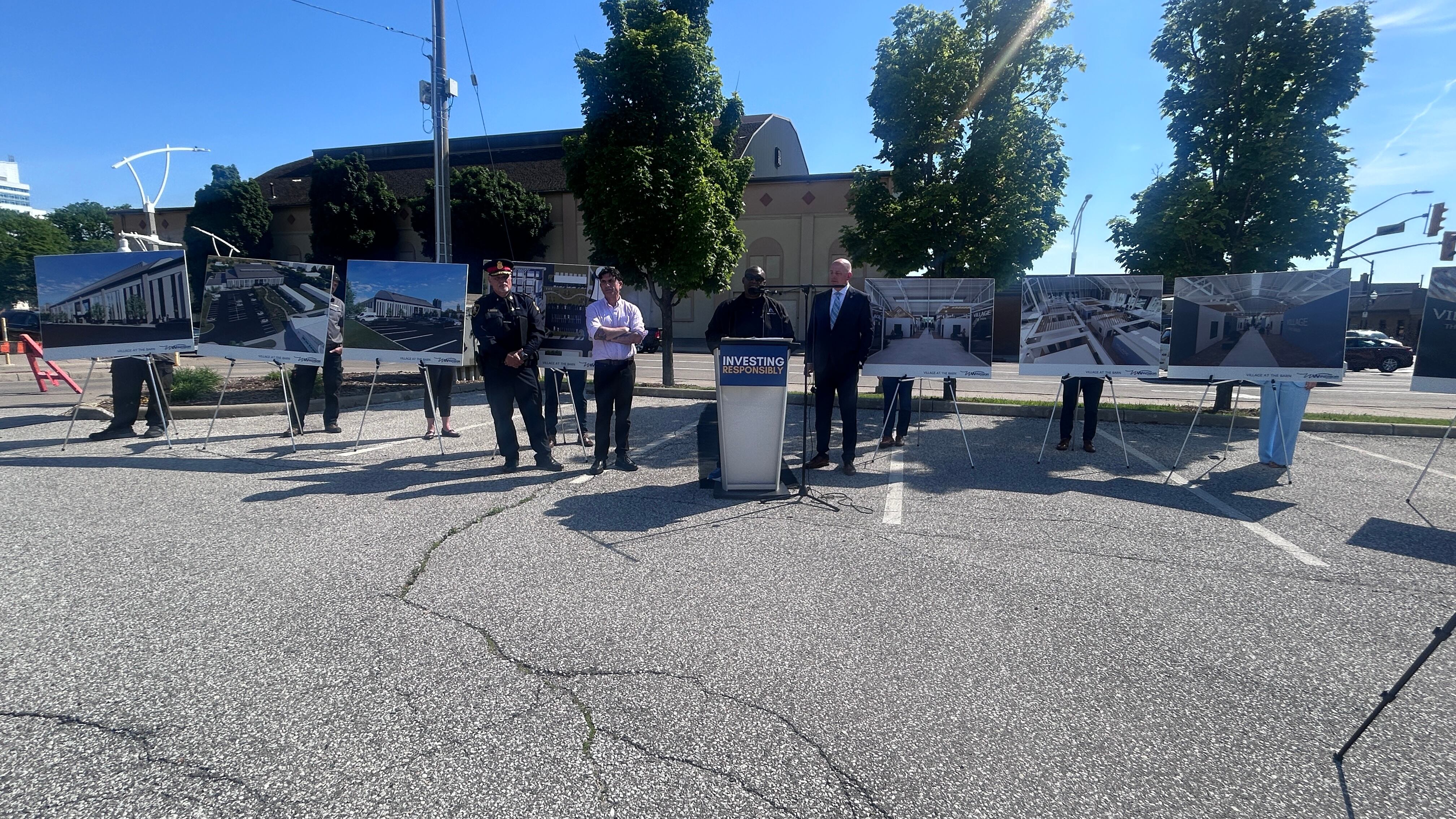
“The Village at The Barn” is described as a supportive pod-style village set up like a campus-style multi-building facility that would provide housing and wrap-around support services.
The proposal calls for renovations inside the old arena to provide a number of services and amenities, including 102 private, lockable dwellings located within a larger, secure structure.
Dilkens says it would probably be cheaper for the city to tear down the barn and build something brand new.
“We’re trying to preserve the heritage here, which we think is important, but if council wants to make a different choice, we can probably get the number lower,” says Dilkens.
He believes the figure is just the cost it’s going to take to deliver a permanent H4 site.
“We have always said we’re never going to be able to do this alone; it can’t be on the backs of City of Windsor taxpayers exclusively,” he says. “We’re going to need provincial and federal support to get this out of the ground.”
Dilkens says the city is not creating a shelter; it’s creating a form of housing.
“We’re creating 102 permanent housing spaces for people to get them off of the street; they’ll have their own pod, and they’ll be able to live their life in this pod as we get them support to get them back on track to regular housing, not transitional housing,” says Dilkens.
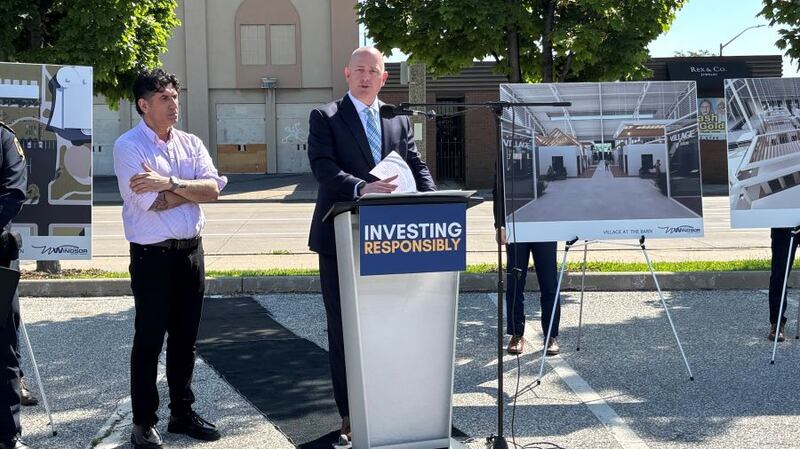
“The Village at The Barn”—was first introduced at the end of May.
The report going to council says the project still needs to undertake the design process, and existing site and building conditions are not yet fully understood, so the cost estimate may change.
It also doesn’t consider annual operating costs.
Council is being asked to endorse the proposal and $2.5 million in funding previously approved in principle in the 2026 Capital Budget for the H4 Housing Hub project to move the process along.
Speaking on AM800’s The Kyle Horner Show, Ward 1 city councillor Fred Francis says right now, there are more questions than answers for this plan.
“This is not going to be $60 million,” says Francis. “It’s probably going to be closer to $150 million. The city can’t even build an ice rink on budget. We can’t even build a trolley project on budget, so if anyone thinks this is going to be on budget, I just point you to the ice rink project and the trolley project; both were millions of dollars over budget.”
The former Windsor Arena was built in 1927 and is located at the corner of McDougall Avenue and Wyandotte Street East.
It was closed permanently in 2012.