An emergency meeting was held Tuesday to address the recent rise in opioid overdoses in Windsor-Essex.
Over 32 local partners with the Windsor Essex Community Opioid and Substance Strategy (WECOSS) met to coordinate a response.
Partners include the Windsor-Essex County Health Unit (WECHU), Essex-Windsor EMS, hospitals, police, shelters, and treatment providers.
The meeting followed Monday’s opioid alert, which reported 19 overdoses at local emergency departments between Feb. 22 and 28, 16 of them involving fentanyl.
Eric Nadalin, WECHU's director of public health programs and WECOSS co-chair, said that in the past month, there have been 77 EMS calls for suspected opioid overdoses, compared to 18 during the same period in 2025.
"This was only the second time since the inception of the strategy in 2018 that we've actually been required to pull together a meeting of all of our partners to address something that's happening urgently, that requires an urgent response amongst partners," he said.)
Nadalin said in addition to increasing access to naloxone and drug test strips, WECOSS partners have committed to quickly mobilize and expand outreach operations.
"Going out and spending time in the shelters themselves to engage with people who may be at risk for overdose, and talking to them about we've got a substance that's circulating in our community right now, it looks like this, and here's what you can do to keep yourself safer if you are a person who plans to use those substances," said Nadalin.
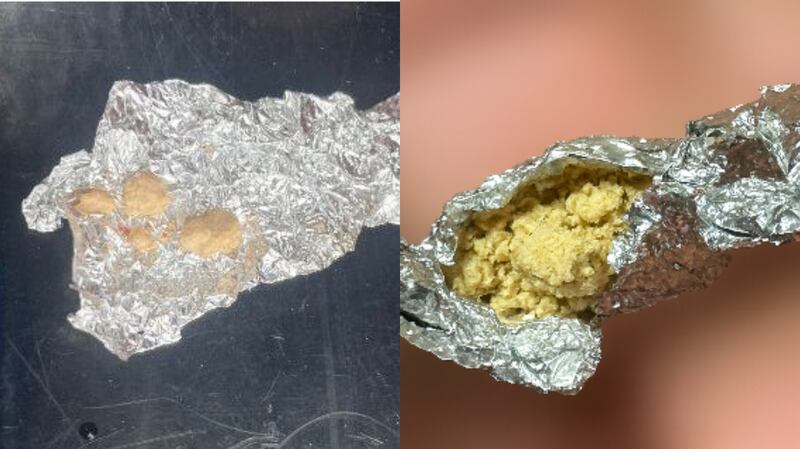
He said some of the substances circulating locally are described as beige or brown fentanyl with a dry chunky texture, potentially with other depressants mixed in.
"Those people who had experienced overdoses, or those community agencies who had responded to the overdoses, reported experiencing hallucinations and a very heavy nodding type reaction to the substances," said Nadalin.
"This leads us to believe that there may be other things, in addition to fentanyl, that are involved or integrated into the fentanyl that they think they are consuming."
Community members who have information about changes in the local drug supply are being asked to contact the health unit or fill out an online community response form.
The data will be used to enhance the Opioid and Substance Use Notification System (OSUNS).