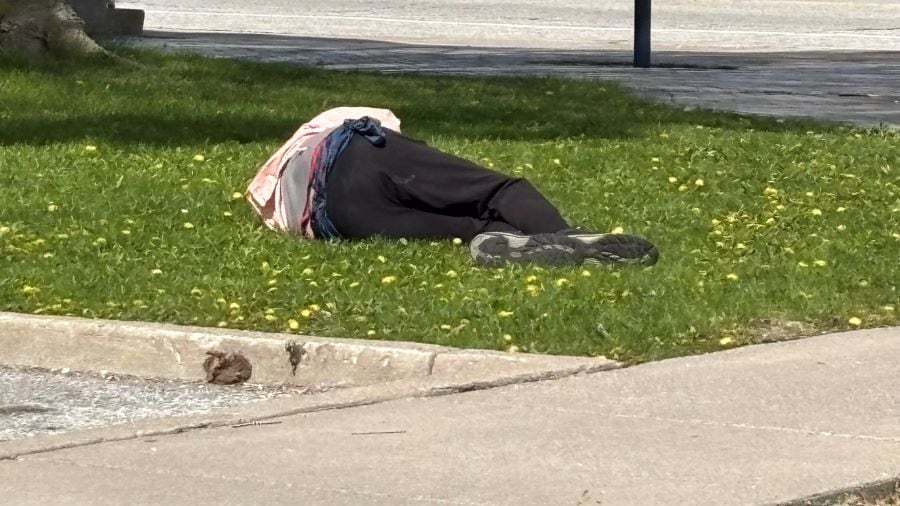
Windsor’s Ward 3 councillor is encouraged by the federal government’s promise to invest billions of dollars with the goal of ending homelessness in Canada within the next decade.
The Carney government is earmarking $11.2 billion over four years and $17.8 billion over 10 years for homelessness initiatives, supportive housing and mental health and addictions supports.
Renaldo Agostino says the size of the commitment and the speed at which Ottawa appears ready to move are both encouraging signs.
He says all levels of government need to work together to make progress.
“That’s what we’ve been talking about here for the last 12 months about getting something done. So I’m very eager to get back to work. I’m very eager to get back around with my council colleagues and Mayor-elect Francis, and to get a plan put together to move forward quickly on ending homelessness here in Windsor, Ontario,” Agostino said.
The federal plan calls for Ottawa to help cover capital costs for supportive and transitional housing while provinces and territories provide ongoing operating funding and social supports.
Agostino says the priority should be helping those with the most complex needs.
“That’s where the the lack of services are, is for the people that need full-time services, full-time help, our most vulnerable people that are out there in our shelters and in our streets that need to be in some type of housing,” he said.
Agostino says Windsor spends more than $25 million annually on homelessness initiatives, including support for shelters and housing programs.
The future of the proposed Village at the Barn could become one of the first major homelessness debates facing Windsor’s new council.
While mayor-elect Fred Francis has raised concerns about the project’s cost and questioned whether it’s the best use of public dollars, Agostino says councillors should fully evaluate the model before ruling it out.
“I would certainly like to see the opportunity for everyone to go see it for themselves. To see what the model is there and how it works and how effective it is and how it supports our most vulnerable people, our most vulnerable people in this city,” Agostino said.
“I think that’s something that we all need to discuss as council.”
The federal government says it wants to build supportive and transitional housing, expand non-market housing and create new mental health and addictions facilities as part of its homelessness strategy.
-With files from The Canadian Press