Contract talks between Unifor and Stellantis remain at an impasse, with the union citing uncertainty around the future of the Brampton Assembly Plant, Windsor Assembly Plant and Etobicoke Casting Plant.
The two sides had set a Sept. 11 target date to reach a tentative agreement before the current collective agreement expires Sept. 20.
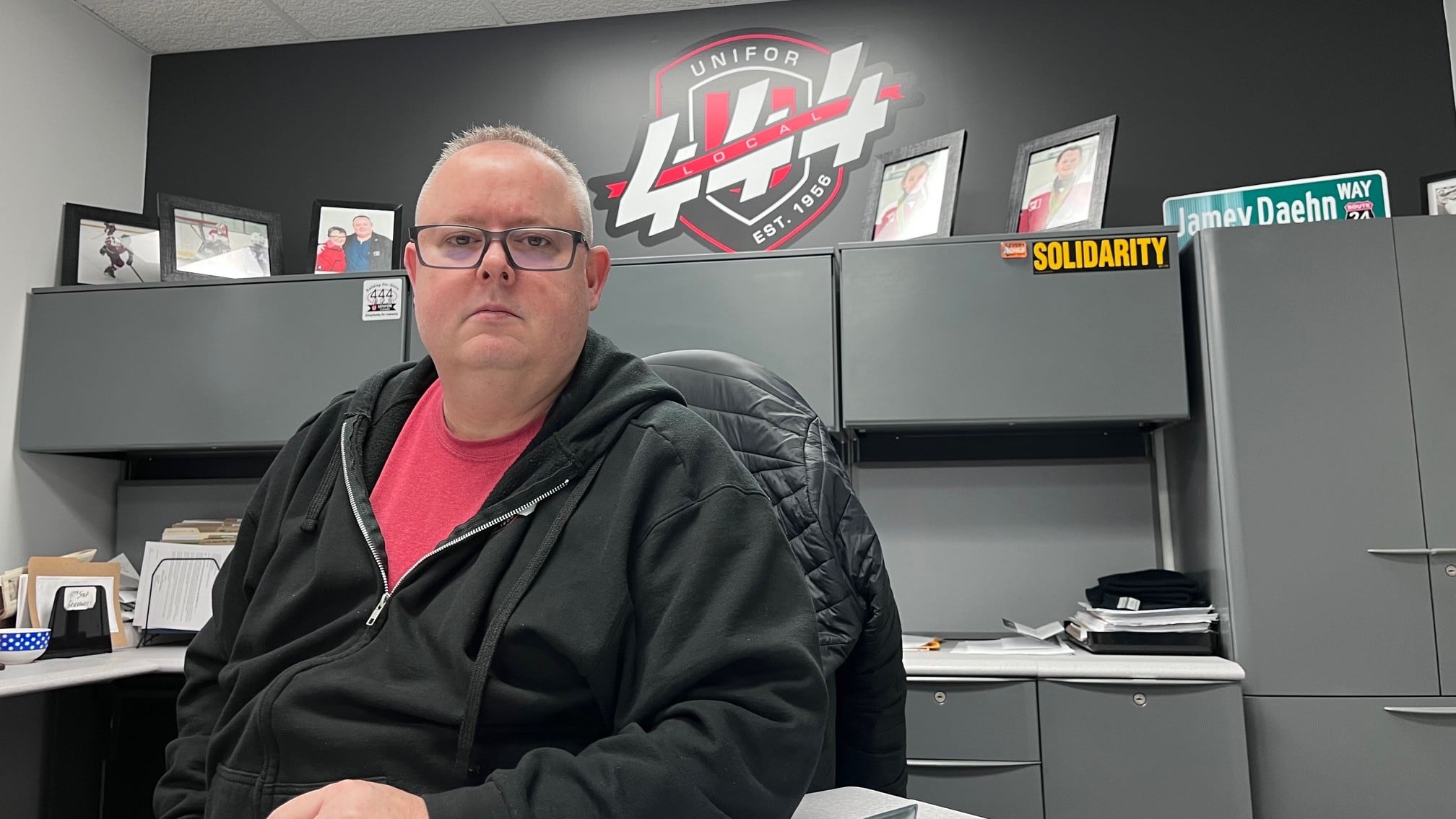
Unifor Local 444 President and Master Bargaining Committee member James Stewart says the union entered negotiations with three key priorities: matching the economic pattern agreement reached with Ford, securing investments at Stellantis facilities and finding an acceptable resolution for workers at Brampton Assembly.
Stewart says those goals remain unmet.
“We don’t have any clear, concise information on how they plan to protect the third shift in the Windsor Assembly Plant, and how [Etobicoke Casting Plant] looks over the coming years. So we’re locked down at this point on finding a path forward,” Stewart said.
The union announced Friday it had paused negotiations after Stellantis confirmed it intends to sell the idled Brampton Assembly Plant and entered into a memorandum of understanding with Canadian armoured vehicle maker Roshel.
Stewart argues other automakers have backed up contract settlements with investments in Canadian facilities, something Unifor says is still missing from Stellantis.
“Ford and General Motors both made commitments including investments in their facilities, and that includes the CAMI facility out of Woodstock, and all we’re saying to Stellantis is you need to do the same things. Make those commitments. And so far we’re not there yet,” Stewart said.
He says losing a major automotive assembly plant would have consequences far beyond the workers directly employed there, affecting parts suppliers, engineering jobs and the broader community.
Stewart added that, for now, bargaining remains paused while the union evaluates its next steps.
“This isn’t just about Brampton. This is a bigger issue that will affect all our plants in the long term and we just have to go back and make sure we’re putting logical and achievable plans in place to protect all of that,” said Stewart.
Stellantis, meanwhile, says it believes Roshel offers a path to restoring sustainable operations at the Brampton facility, preserving its role in Canada’s manufacturing sector and helping avoid a prolonged period of inactivity.
Stellantis says it remains committed to Canadian jobs and the long-term competitiveness of the country’s auto sector, but would not comment further because of ongoing contract negotiations with Unifor.