City council wants more conversations with the province when it comes to the consolidation of conservation authorities across Ontario and what happens to assets in Windsor-Essex.
Ontario is moving to reduce the 36 conservation authorities across the province into nine regional bodies with the goal of reducing overlap, speeding up the permitting process, and enhancing flood management.
It means the Essex Region Conservation Authority will be rolled into the new Western Lake Erie Regional Conservation Authority, which would include Chatham-Kent and London.
ERCA’s assets include dozens of properties, some of which were left to the authority by members of the community.
A motion from Ward 9 Councillor Kieran McKenzie passed during Monday’s meeting calls for more consultation with municipalities during the regulatory process to address issues such as governance, asset management, and how funding is allocated, as municipalities will still fund the new organization.
“A municipality like Chatham, London, and other areas that are going to fall into the new regional framework are suddenly getting, whether it’s perception or reality, more of the resources than they’re entitled to on a per capita basis. That’s one concern that needs to be addressed,” he says.
ERCA CAO Tim Byrne took questions from council about the upcoming merger and voiced concerns over the new structure, noting the differences in the region’s developed shorelines compared to other areas of the province and the work ERCA has done to help to secure millions of dollars in provincial grants for shoreline projects across Windsor-Essex, including improvements to the Detroit River shoreline.
Byrne says the conservation authority owns 32 properties across the region, including the Devonwood Conservation Area in Windsor.
“Devonwood was acquired with some provincial grants but basically through Windsor ratepayers and the conservation authority levy,” he says. “Those holdings will now become an asset of the Western Lake Erie Conservation Authority. What that truly means, we don’t know.”
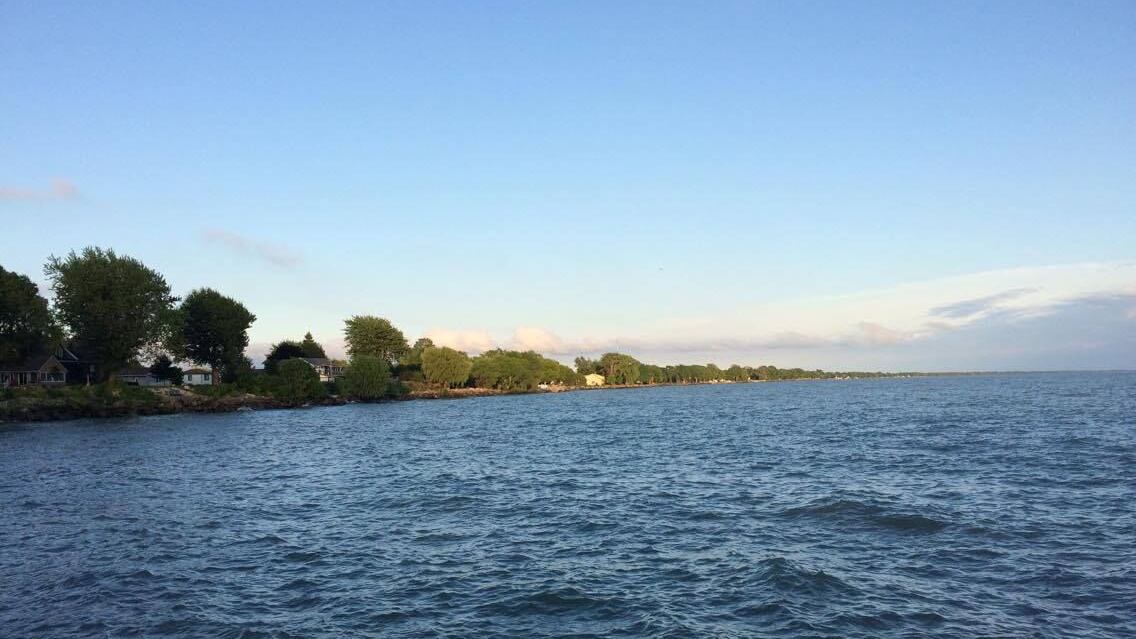
Byrne says we are also one of the few regions within the province with a 100 per cent fully developed shoreline, which has impacted their approach to delivering their programs, but that same development in other areas of the province is not allowed.
“The challenges that we as staff have had to respond to were attempts to take the provincial dictum that says no development in shoreline flood-prone areas and say we have existing people who have invested and lived in this area,” he says. “We have to provide for them a mechanism so that their properties are still sustainable and or useable.”
The province plans to begin consolidation this year, with full implementation expected by early 2027.
It’s expected upper- and single-tier municipalities will appoint board members, but lower-tier municipalities (towns/townships) may lose representation.