


When Tom Holder watched Donald Trump become U.S. president for the second time, it was the last straw.
For years, he and his wife would winter in South Carolina, in a villa they rented months in advance. By the time Trump won the U.S. election in 2024, they had already put down deposits for their stays in 2025 and 2026.
“We were besides ourselves,” the Ontario resident described in an interview with CTVNews.ca.
“We could see the way things were going.”
The couple cancelled their bookings, foregoing US$4,000 in deposits. Last year, they stayed in Barrie, Ont., for the winter.
“It’s not great,” he said, adding that the experience didn’t change their plans.
This year, Holder said they are closing on a condo on Prince Edward Island.
“We loved going down south,” he said. “We loved the warm weather and the beaches.”
“But under the circumstances, I can’t see us ever going back down,” he added.
He isn’t the only one.
CTV News asked readers if they would boycott American goods due to the escalating trade war and, if so, what products are they boycotting and how are they coping as consumers.
More than 200 readers responded to the callout, the majority of whom said they have been boycotting U.S. goods, services and travel.
A few say they continue to purchase U.S.-made products, so as to not impact American residents and businesses.
Others say they’ve had enough of Trump’s behaviour towards Canada and, in some cases, say U.S. citizens bear some accountability for choosing him as their leader.
“We cannot and will not support the American government or the people who allowed this to happen again as they no longer can claim they didn’t know what might happen,” wrote David Hackney, an Ontario resident.
“It is clear that Trump is attempting a takeover of Canada by economic warfare which cannot be tolerated and we cannot idly stand by and allow these attacks to happen.”
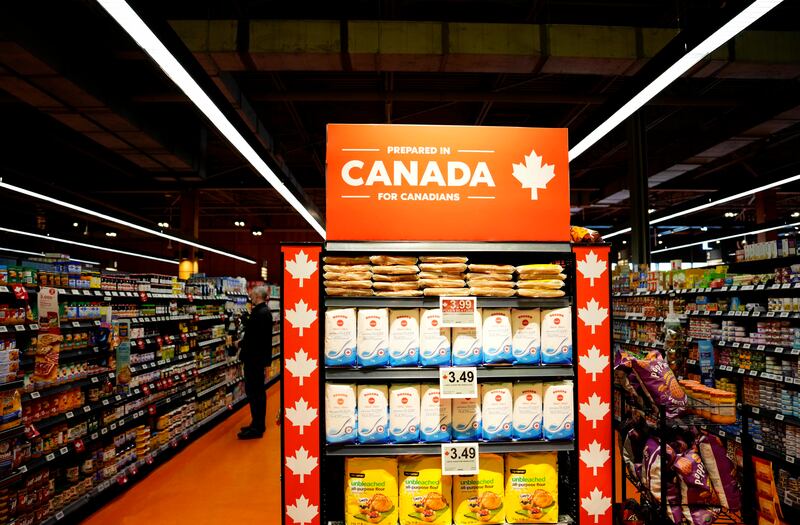
Paying more for groceries
Many who responded to the callout say that boycotting American goods has meant having to pay more for domestic products.
“If we can’t find a non-USA product, we go without,” wrote Sara Crockett, who lives in the Similkameen Valley in southern B.C.
She added that she boycotted Amazon and Amazon Prime for a year. “But being rural, I eventually had to purchase some items,” she wrote.
She added that she and her friends share updates on where to find hard-to-purchase non-U.S. items, like Canadian cauliflower or celery.
Brenda Moore said she would rather pay more than purchase products from the U.S.
“Even if products are more expensive, I am so done with the Americans that I will pay more rather than support them and their companies,” her emails read.
Canadian goods only
Some readers say they have moved away from old shopping habits and even returned mistakenly bought U.S. goods to stores out of Canadian patriotism.
“I mistakenly bought a few American items such as caulk and a garbage can but returned them the next day,” wrote Larry and Lynn Whitty.
They added that they will travel more than an hour to source Canadian-made goods despite locally available access to American items.
Marlene Gagne, who lives in Ottawa, wrote that she had her home renovated solely with Canadian furniture and materials.
She said her stairs were recarpeted with carpeting made by a Quebec firm and she bought new living room furniture made by a company in Toronto.
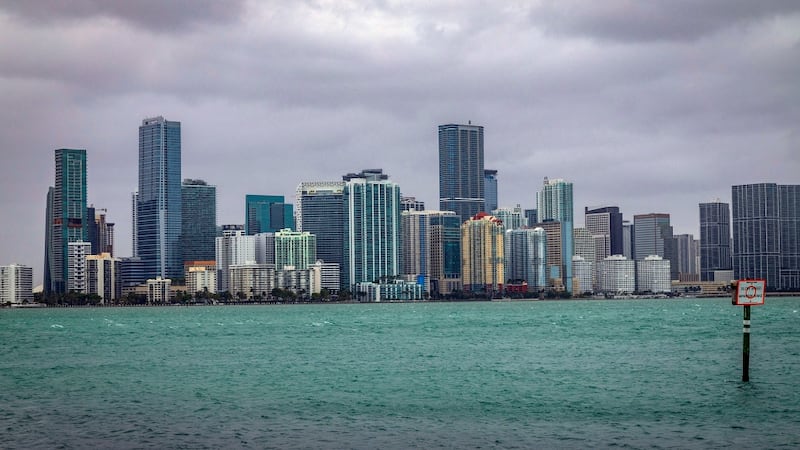
Snowbirds no more
Many residents, especially seniors stated that they will not be travelling to the U.S. anymore, despite having visited during the winter months for years.
Several also said that they sold their properties in Florida and Arizona and have opted to remain in Canada or go elsewhere.
Lindsay Marijan, who lives in Markham, Ont., said she and her family sold their Florida condo, boat and dock.
“Who wants to support a country that wants to take our sovereignty away?” her email reads.
After Donald Trump was elected the first time in 2016, Holder said he noticed a change in local attitudes.
“Openly Trump-ist,” he described to CTVNews.ca.
“The arrogance was already underneath ... Trump brought out all that,” he said.
Crockett said she and her husband would spend up to a month in the U.S. every year.
They chose not to travel south in 2025, the first time in almost seven years.
“Why would we spend our money in a country that’s threatening us on multiple levels?” she said. Instead they have decided to travel domestically, with plans to go to Europe next fall.
“It’ll be a long time before we go back to the U.S.,” she said.
Against boycotting
A few Canadians say they continue to purchase U.S. groceries and items, citing lower costs and wanting to be fair towards American residents and businesses.
“I look at the cost first and not the country of origin,” Ashley Taylor, who lives in Ontario, wrote.
One Toronto resident said he has been buying more U.S.-made goods.
“Canadian leaders are working against the interest of the people,” Carter Lewis opined in his email.
Paula Marshall stated that her first instinct was to boycott, but opted against to avoid impacting “everyday citizens who have nothing to do with the president.”