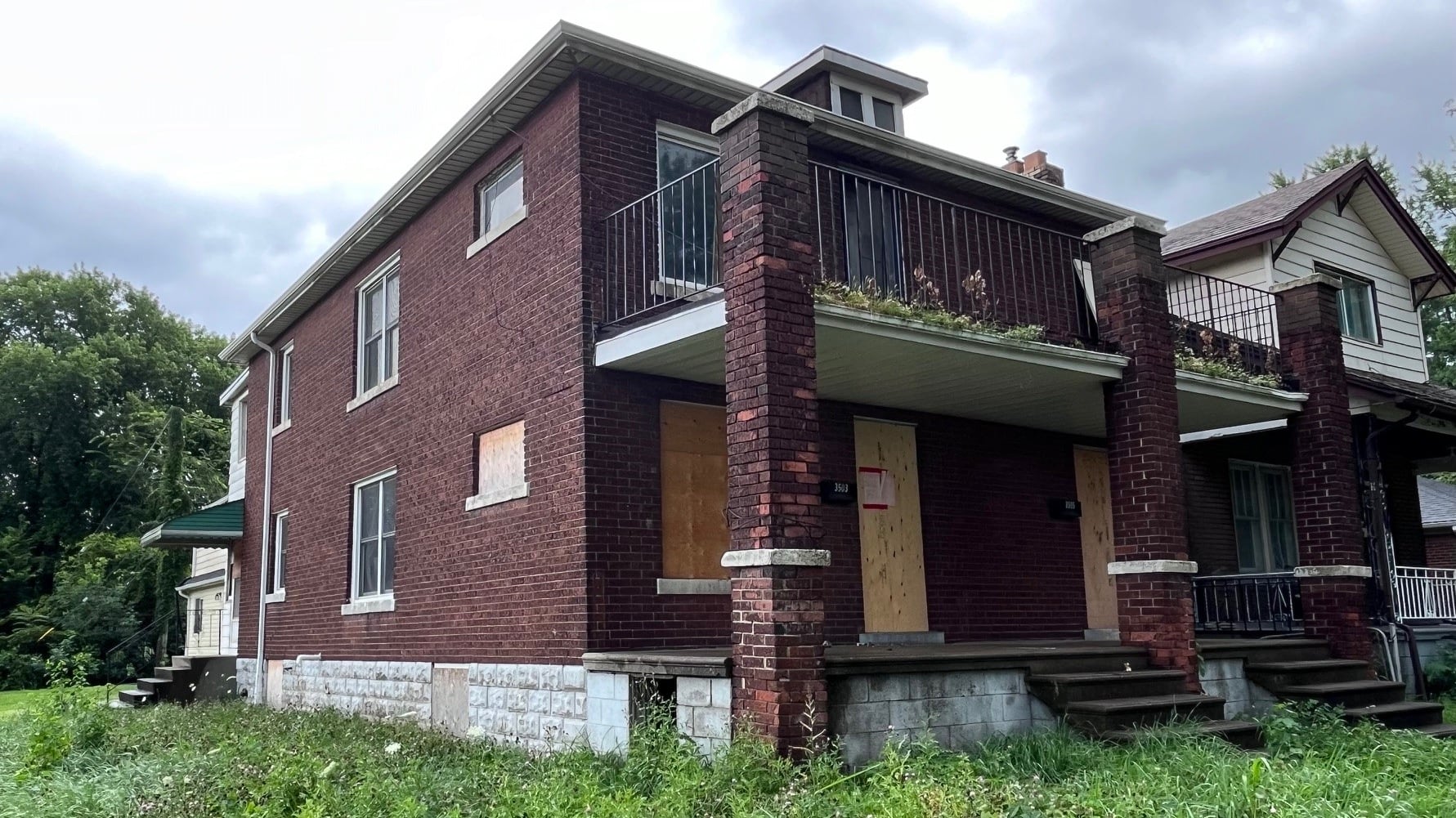
Windsor's vacant home tax is going up, and it might be raised even higher in the future.
During Monday's 2026 budget deliberations, city council voted to increase the current vacant home tax in 2026 to four per cent from three per cent but also requested that administration report back on the potential impact of raising it to five per cent.
Under the program, homes unoccupied for more than 183 days in any given taxation year would be issued a three per cent levy on top of their regular property taxes if the owner could not provide documentation disputing the classification.
Ward 8 Councillor Gary Kaschak introduced the motion passed by council that calls for the increase with a friendly amendment from Ward 3 Councillor Renaldo Agostino on exploring an increase to five per cent.
Kaschak says we are still in a housing crisis, yet we still have people who are keeping homes vacant, not even renting them.
"We can charge them a little bit more for the right to have that home vacant, and if they're willing to pay it, then so be it," he says. "If not, I think we can get a few people to move, sell these houses, stimulate the housing economy a little bit, and get more people housed."
Kaschak says they don't want to push people, but they need to make a decision on these types of houses.
"Three per cent of a home assessed at $150,000-those people are paying $4,500 up and over and above their taxes each year to keep that home. Four per cent of $150,000, they're going to pay $6,000," he says.
There are some exemptions to the program, like if a property is up for sale, if the owners are making renovations, or if the homeowner has died and the family is trying to settle the future of the property.
Kaschak says you hate to see a house sitting empty for too long and hopes raising the tax will provide the right pressure.
"Putting them up for sale or renting them, I think, would be really good to get more people housed. It's just a situation; the vacant home tax they're paying is three per cent of the assessed value of a home. That's a pretty substantial amount, but people just don't seem to be moving," he says.
The program was launched in March 2024 and issued fines to 130 property owners. There were originally 191, but the fines were reversed in 61 cases after the property owners were able to demonstrate that they met the criteria.
In 2025, there were 173 billings issued.
The revenue from the fines is transferred to the city's Housing Reserve Fund to assist with housing-related programs, projects, and initiatives.
Any property owner who deliberately falsifies information on the declaration will also be issued a $3,500 fine.
The program is complaint-driven, and residents who suspect a property is vacant can report it by calling 311.