The city is going to launch an early review of the Transit Windsor master plan after posting an almost $8 million deficit in 2025.
During Monday's meeting, council approved an administration recommendation to update the current Transit Windsor Master Plan, a 10-year plan that was approved by council in 2020, due to the current financial situation, growth in the city, shifts in ridership demographics, and the introduction of new technology.
The city bus service ended 2025 with an operating deficit of $7,954,750 driven by several factors, including federal policy changes that resulted in a sharp reduction in international student enrollment, reduced provincial gas tax funding, and cost pressures related to federally mandated sick days.
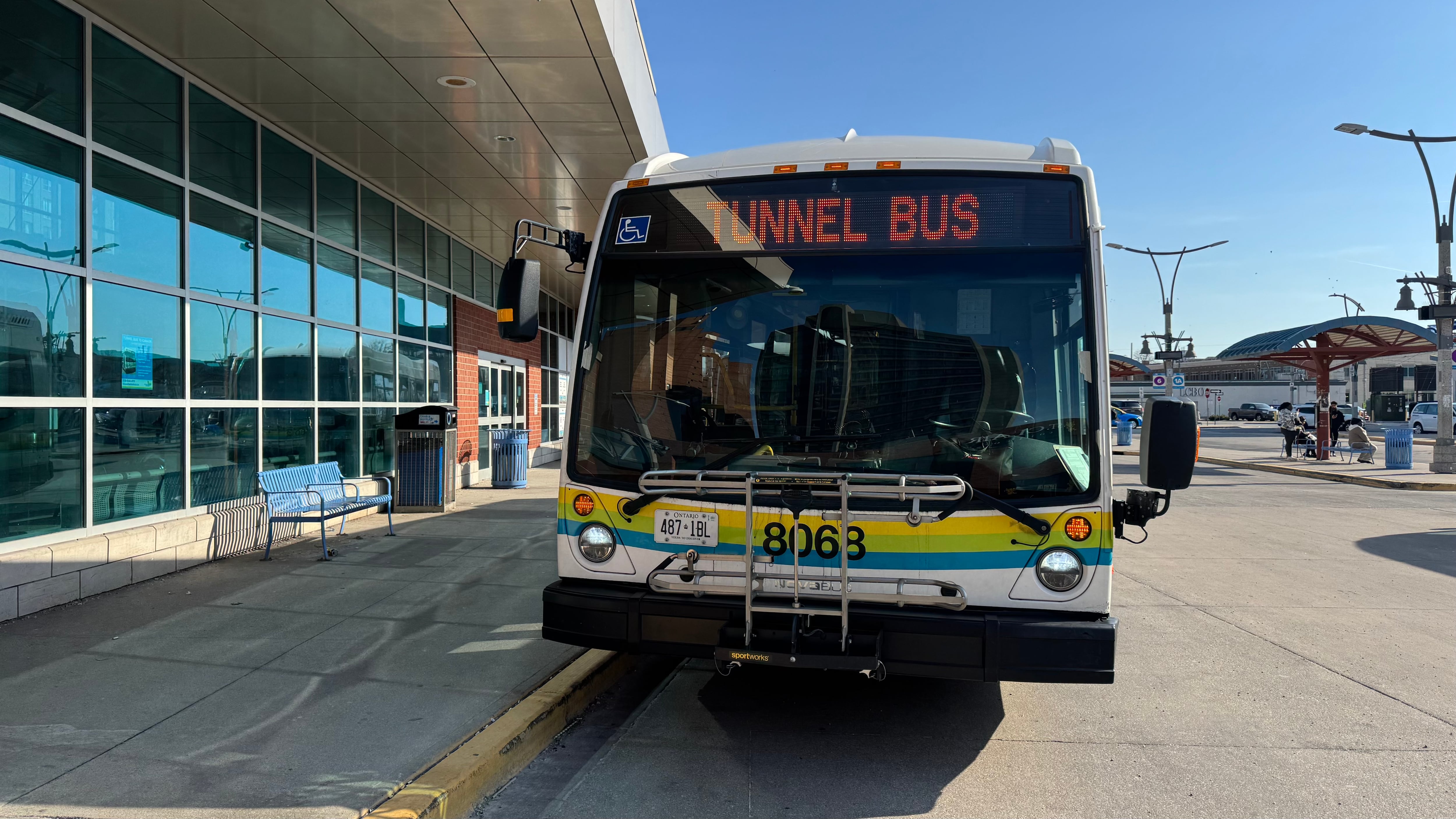
Transit Windsor was subject to federally mandated paid medical leave (PML) days because it was operating the cross-border tunnel bus service, which gave all transit employees 10 mandated paid sick days.
A city report says operations overtime increased by approximately $2.3 million in 2025, representing a 75 per cent increase over 2024, with a high utilization rate of the PML days playing a major factor in the increased costs to maintain service levels.
Commissioner of Economic Development Jelena Payne told the council that many of the employees at transit took advantage of PML days, resulting in a spike in the number of sick days taken.
"We had almost 280 employees at Transit Windsor who took 8.5 sick days last year; those are startling statistics. Yes, I would say we were surprised," she says.
Payne says the figure is strictly the PML days and does not include short-term disability or floater days available to Transit Windsor employees.
The city ended the Transit Windsor tunnel bus service in August 2025, while the special events tunnel bus service between Detroit and Windsor ended in December 2025, removing the requirement for the federal sick days in 2026.
Acting Executive Director of Transit Windsor James Chacko told council that new fare box technology will provide more data around ridership to help develop the new master plan.
"Really develop that granular data that will get us better information for when somebody is getting on and off a bus. Why they specifically use our bus routes in terms of the coverage and frequency," he says. "That will enable us to provide that information to the consultant as the new master plan is developed."
Ward 9 Councillor Kieran McKenzie, the current chair of the Transit Windsor board, says the accelerated review of the master plan will pause some elements of the existing plan.
"We were planning on, say, a few months ago, to make significant investments. With those issues, there will be a pumping of the brakes, if you will. In terms of the ongoing day-to-day pieces as it relates to the transit services that are embedded in the plan, you will continue to see that," he says.
The issue of funding the Transit Windsor Master Plan review and hiring a consultant will be discussed during 2027 budget deliberations with the expectation that the council will be able to review the plan sometime in 2028.