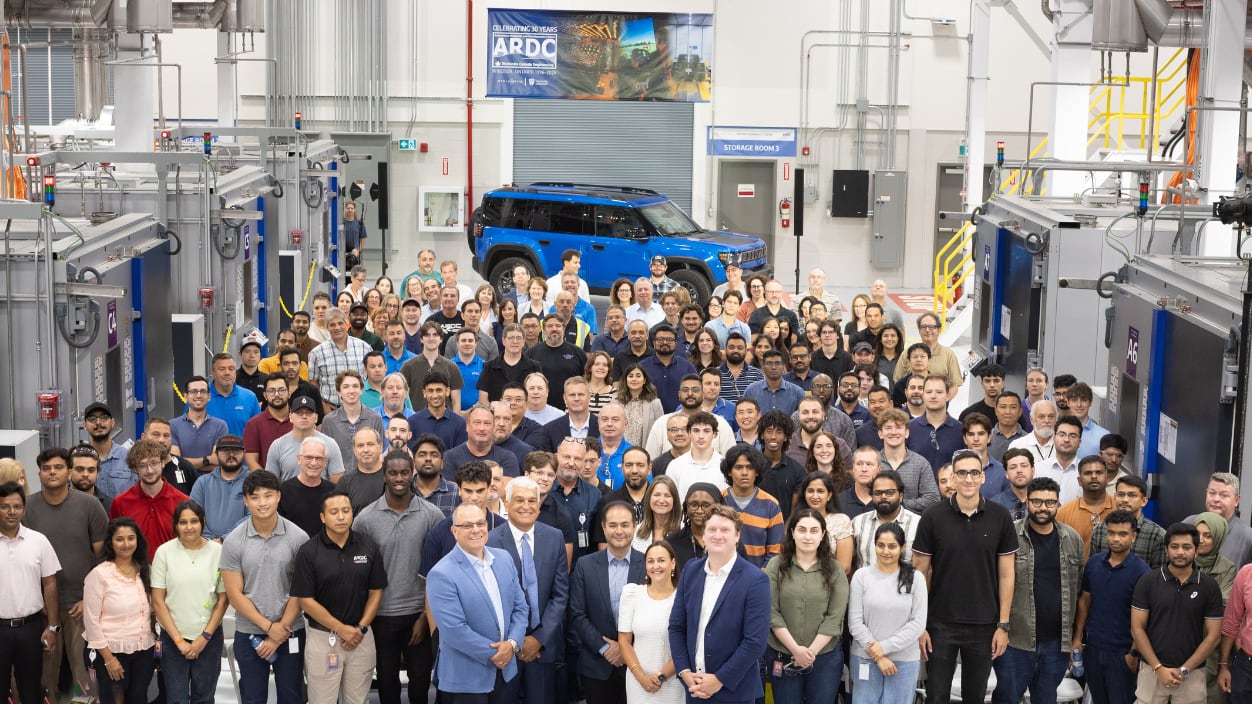
A milestone for automotive research and development.
Stellantis Canada marked the 30th anniversary of its Automotive Research and Development Centre (ARDC) in Windsor on Tuesday.
The ARDC was founded in 1996 through a partnership with the University of Windsor and has grown into a key engineering hub, supporting the development of nearly every vehicle in Stellantis’ lineup.
Tony Mancina, Stellantis Canada’s director of engineering, says the ARDC has evolved significantly since opening.
“By 1996 we still had designers that actually use pencil and ruler at some point,” he said. “We did we did evolve to our CAD and CATIA capability, but, we still had some remnants of that everything was done by hand.”
Mancina says the ARDC was founded through an intitial $30 million investment with plans for future growth, including Tuesday’s unveiling of a new North America Battery Technology Centre.
“We’ve grown to almost $2 billion and still growing. In the next five to 10 years, we’re going to have at least another half a billion dollars invested in this facility,” Mancina said.
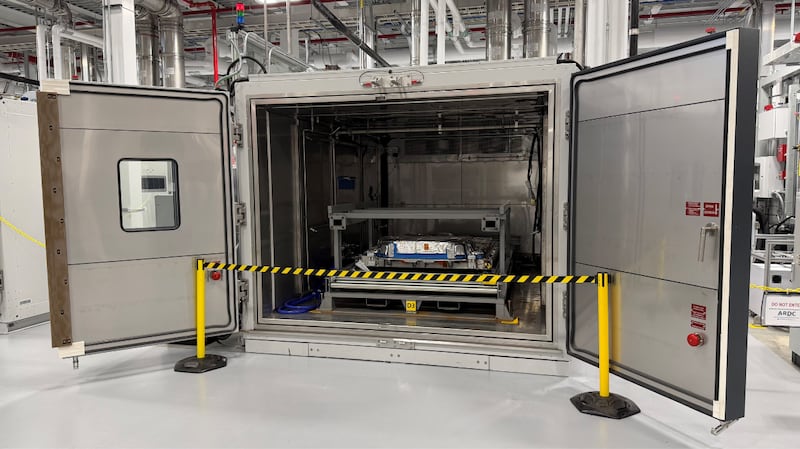
The new 8,600-square-metre battery facility will serve as Stellantis’ North American hub for electric and hybrid vehicle battery testing and validation.
The centre is paired with a sister facility in Turin, Italy, allowing engineers to share research, testing and battery-development expertise between the two sites.
Stellantis Canada president and CEO, Trevor Longley, says that collaboration helps the company stay competitive by drawing on technology and engineering knowledge developed on both sides of the Atlantic.
“I believe that we’re putting together packages that can compete in the future. And so yes, competition will be there and yes, it will be intense, but ultimately I think in the end that makes us all better,” said Longley.
Stellantis says the ARDC now employs about 800 people and has hosted more than 800 engineering co-op students from Ontario universities over the past three decades.