The Windsor-Essex County Health Unit (WECHU) is launching a pilot project with the Public Health Agency of Canada to test new 3D-printed mosquito traps alongside its current system.
The estimated cost for the 3D-printed trap is approximately $50, while the BGS-2 trap is approximately $400, representing significant cost savings.
Elaine Bennett, WECHU environmental health manager, says the lower-cost traps will be placed near existing monitoring sites across Windsor-Essex and tested through the mosquito season.
“We have currently 15 BGS traps and we’re looking to set up seven of the 3D printed traps, approximately 30 meters away from the BGS traps,” she said.
“We want to look at the effectiveness. How well are they able to capture the mosquitoes. So we are definitely looking at the comparison.”
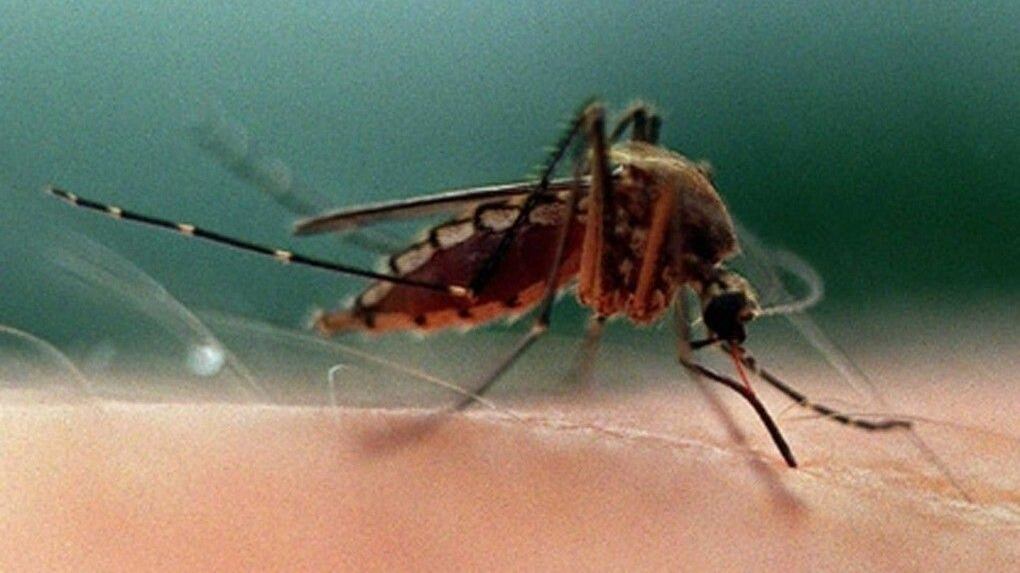
She said the concern centres on what the mosquitoes can carry, particularly the Aedes species.
“Those are invasive species that are daytime biters and they can spread the Zika virus, dengue virus, yellow fever, as well as West Nile virus,” Bennett said.
She said the new option offers practical advantages for staff in the field.
“Really it’s about the innovation, the cost effectiveness of the 3D printed traps, as well as just the accessibility for the staff members because it’s lightweight, easier to manoeuvre,” she said.
There were nine confirmed cases of West Nile virus over the 2025 season, according to the health unit’s infectious disease dashboard.