Changes beginning on Jan. 1, 2026 to the Ontario Fire Code.
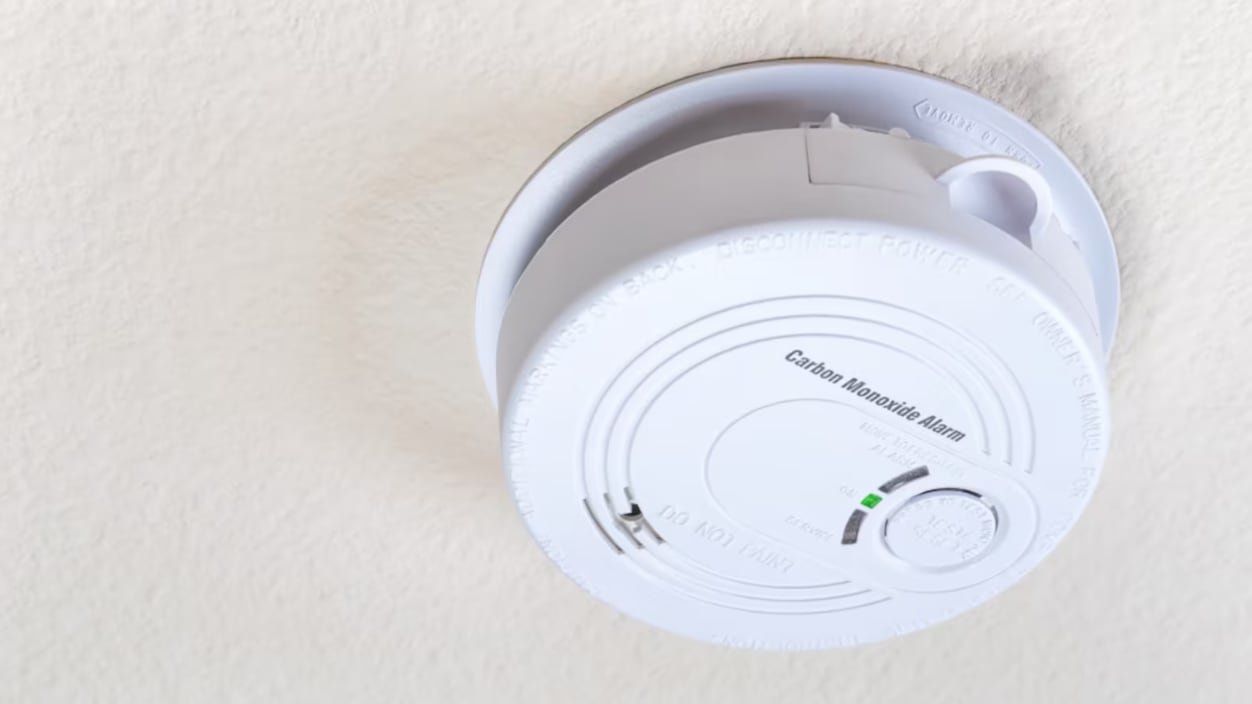
The updates will require additional carbon monoxide (CO) alarms in all residential spaces with potential sources of the deadly gas.
Officials say the goal is to ensure consistent protection in all types of residential settings — from single-family homes to apartment buildings.
Chatham-Kent fire chief Chris Case said it's a preventable tragedy.
"People don't really know this silent killer is going through their homes until sometimes it's too late," he said.
Case said around 50 people on average die from carbon monoxide poisoning in Canada.
"The number of times where the caller calls 911 and says I've not been feeling too good for a few days and they go out in the fresh air and they feel a lot better, we come in and we find that there is carbon monoxide in the home," said Case.
Homeowners must make sure alarms are installed and working.
Landlords are responsible for installing and maintaining alarms in rental units, and tenants must report any issues.
Windsor's fire chief Jamie Waffle said for the cost of life safety, it's a relatively small investment.
"If you're up in your bedrooms late at night and all of a sudden you have something going on with your furnance in the basement, they want that early detection," said Waffle.
Fire officials say now is the time to check alarms, replace expired units, and plan ahead, because failure to comply could lead to fines, and far more serious consequences.
-With files from CTV Windsor's Chris Campbell