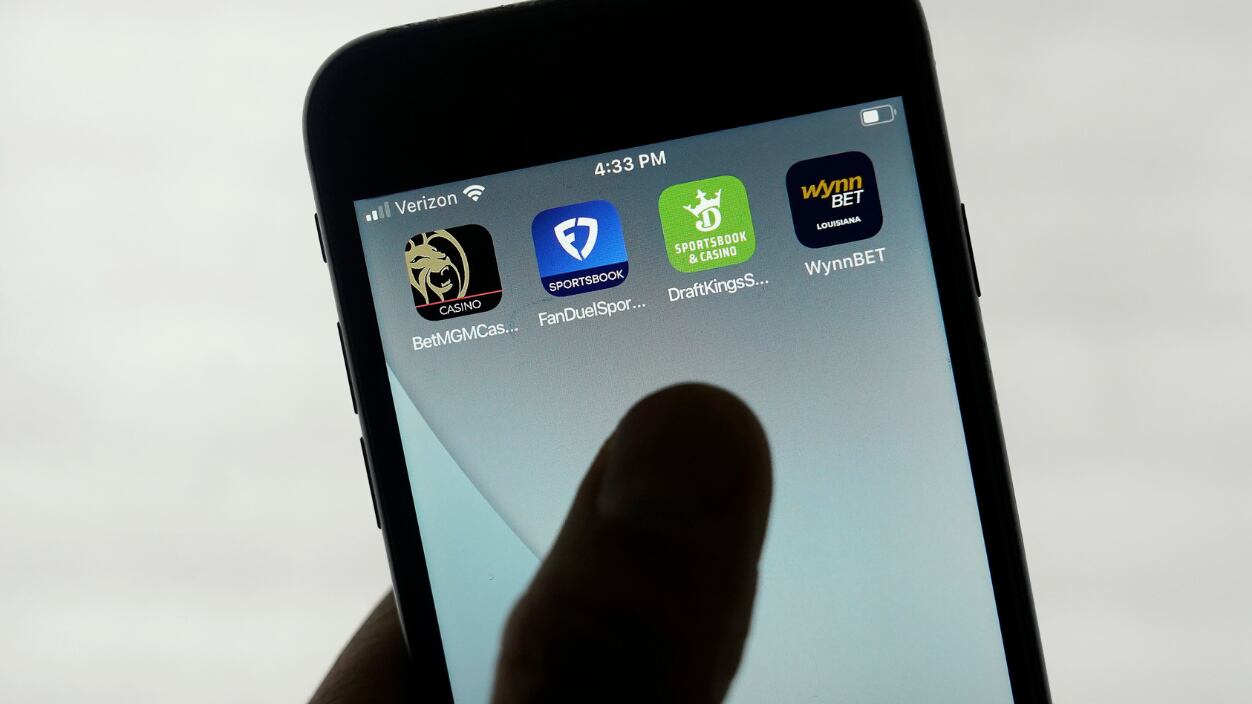
A gambling addiction counsellor at Hotel-Dieu Grace Healthcare in Windsor is not surprised by the results of a new study that shows a sharp increase in the number of young men seeking mental-health support for gambling-related problems.
Chelsea Rodrigues says she's not surprised by the figures because anytime you have a new way to gamble and it becomes highly normalized, promoted, and advertised with increased exposure; you would see an increased risk of problematic gambling.
The study published March 2 in the Canadian Medical Association Journal looked at ConnexOntario, the province's free 24-hour mental-health and addictions helpline.
Researchers tracked the volume of contacts to the helpline for gambling-related concerns from January 2012 to September of 2025, and they noted a big increase in outreach between the time before January 2015, when the Ontario government launched the gambling platform Play-O-L-G, and the period following the province's expansion of private online gambling in April 2022.
It found that among boys and men aged 15 to 24, the mean monthly rate of gambling-related contacts to the helpline per million people rose by 317 per cent during that time. The rate increased about 108 per cent for men aged 25 to 44.
Rodrigues says based on the men she's worked with, there's a susceptibility for young men based on how many targeted ads there are and their access to disposable income.
"A lot of young men, especially men who are still living at home and not carrying big bills or big financial responsibilities, having that extra disposable income puts them at a little bit of a higher risk because they're not going to experience the same natural consequences as fast from the gambling," she says.
HDGH's Centre for Problem Gambling and Digital Dependency had 84 people seeking support in 2018-2019, but the figure had doubled to 169 by 2024-2025.
The most recent figures also show that 61 per cent of the clients were male, while 39 per cent were female. Adults in the 18-35 age group make up 37 per cent of clients seeking help, while those in the 35-65 age group made up 53 per cent of the clients in the program.
Rodrigues says she would characterize the situation in Windsor-Essex as something that is becoming more problematic as time goes on.
"It's creating vulnerabilities among young men who are coming into the next phase of their lives and carrying a lot of unnecessary debt in an already difficult and precarious economic landscape," she says. "I would advocate for many more safeguards and much more attention paid to this."
Individuals can self-refer for outpatient services at HDGH's Centre for Problem Gambling and Digital Dependency, with locations in Windsor and Leamington. Anyone can inquire about services by connecting during hours of operation. For those seeking services, please call 519-254-2112.
Click here for more information.