Ontario plans to spend hundreds of millions of dollars boosting the province’s alcohol sector, including programs to support grape farmers.
Announced last week, the province will spend $175 million over five years as part of a new program designed to boost the number of Ontario grapes in blended wine.
The province said the program will eventually double the percentage of Ontario grapes, "leading to the purchase of thousands of additional tonnes of Ontario grapes from farmers."
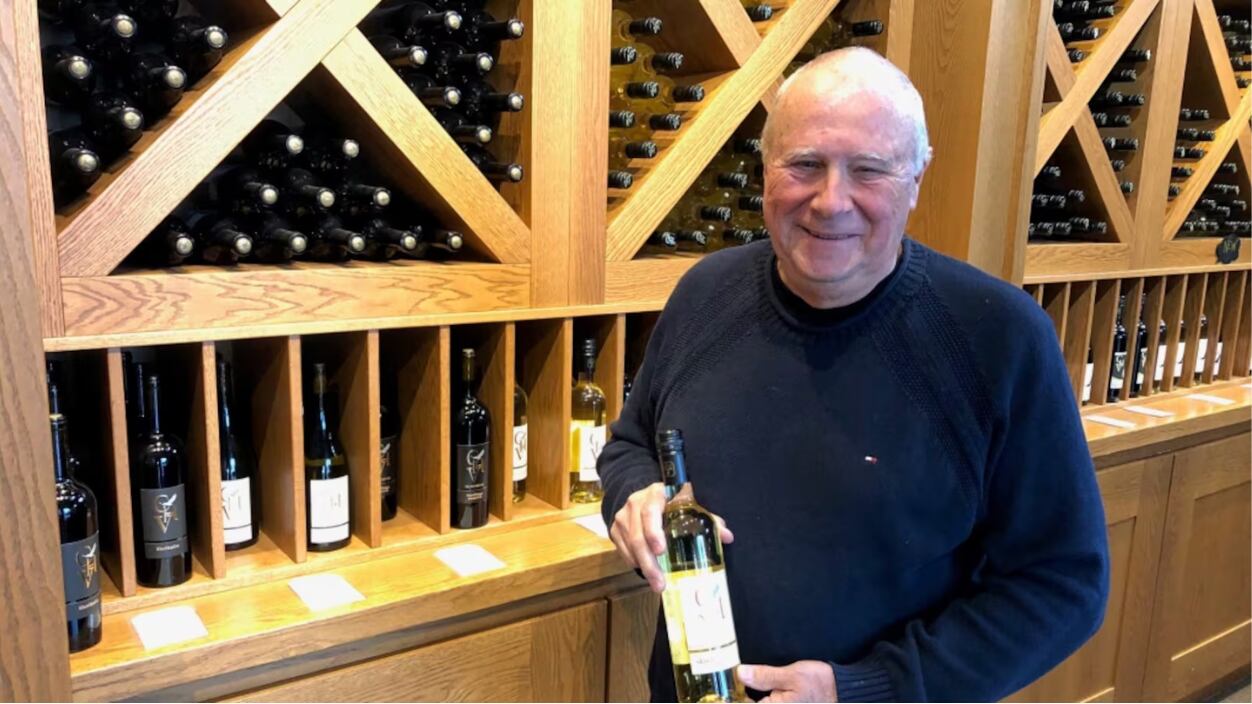
Tom O'Brien is founder and co-owner of Cooper's Hawk Vineyards in Harrow.
He told AM800's The Shift with guest host Kyle Horner that his business sells some of their grapes from the 18 acres of vines on their property.
"For me to increase some of our markets, like the LCBO, I have the grapes," O'Brien said. "I will just keep the grapes instead of selling into other wineries. So yes, it's going to be helpful for us to use all of our vines, and if it stays permanent, we could look at, we've always put aside land that we could plant extra vines, just in case sales went up."
O'Brien says since American wines were taken off LCBO shelves, LCBO sales for Cooper's Hawk are up 35 per cent, which according to O'Brien, is not an easy feat.
"To even get a wine into the LCBO, we have to go through significant laboratory tests, tasting tests, market analysis of our labels, market appeal, shelf appeal, so there's a lot of work, but it really feels good that Ontario consumers are now saying 'hey you know what, they've got some pretty good wines here'."
The government is extending the Vintners Quality Alliance (VQA) wine support program until 2030, committing an additional $420 million over five years.
The program was first established in 2006 and has been renewed multiple times since.
The program expands this year to encompass ice wine, along with VQA wine available in convenience stores and on-site winery retail shops.
O'Brien says this will help put more money back into the pocket of producers.
"Right now when we sell wine at the door here at the winery retail store on site, they're going to help us get some of that money back as well on that, which was not been in the program since the in the inception," he said. "The other thing that they're allowing is we've started selling more of our wines because we are an LCBO direct delivery winery to corner stores, and under the current legislation, those cornerstones don't qualify as the VQA enhancer program, that's going to help as well."
More than 4,000 convenience stores were granted licences last September to sell beer, wine, cider and coolers, a figure that the province says has jumped to more than 5,000 such licences.
In late October, the province implemented the final phase of its liberalization policy when it allowed any grocer to sell booze. About 400 stores had signed up at the time and that number has since jumped to more than 1,000.
-With files from The Canadian Press