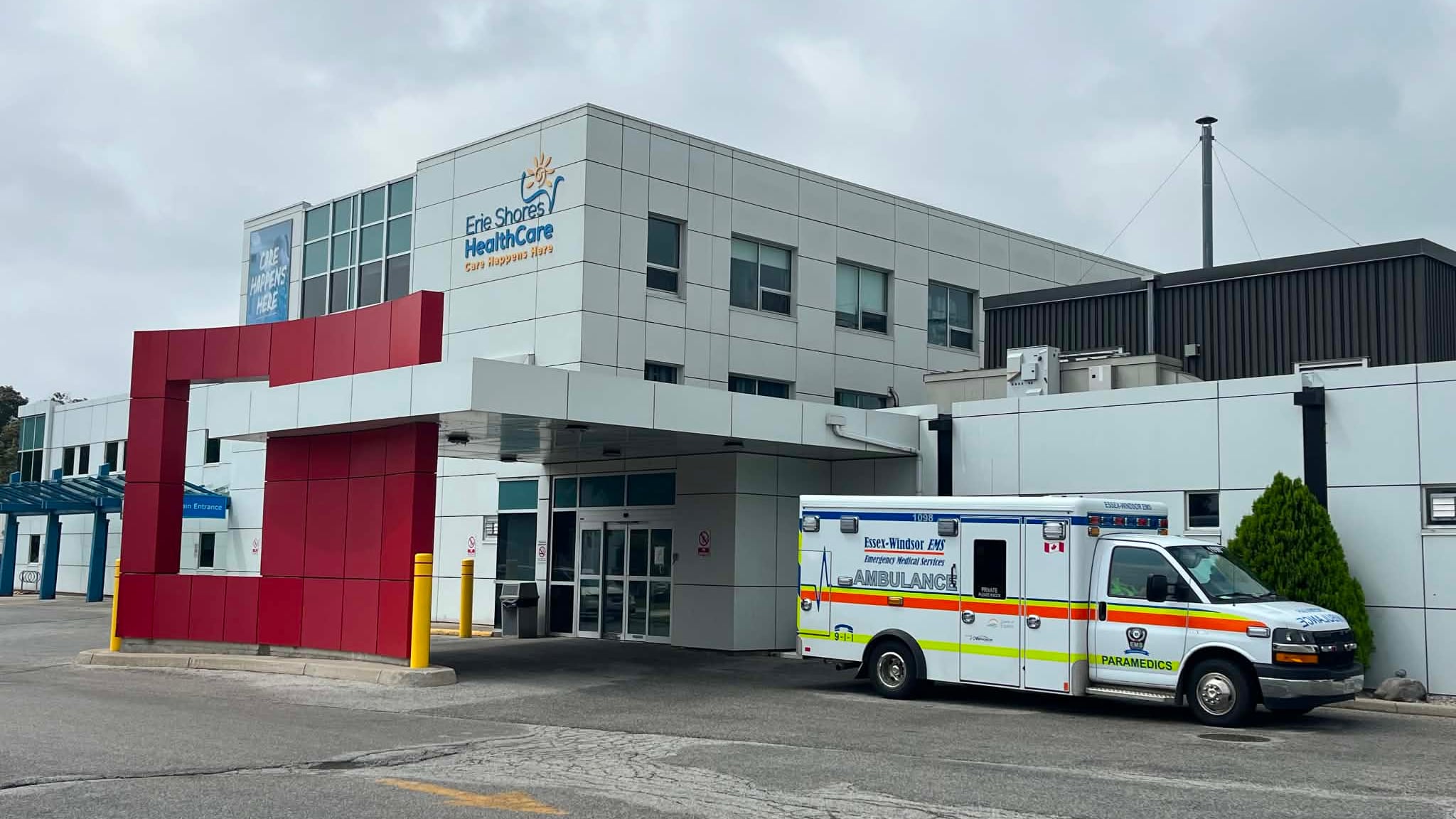
Erie Shores HealthCare (ESHC) and Windsor Regional Hospital (WRH) are joining forces under a new shared administrative leadership model that officials say will improve collaboration, eliminate duplication, and save approximately $2 million annually, while maintaining separate operations and governance.
The strategic administrative partnership, announced Tuesday, will see the hospitals share executive leadership positions, including a chief executive officer and chief financial officer, while continuing to operate as independent corporations with separate boards of directors.
“This is not a merger,” Windsor Regional Hospital President and CEO Kristin Kennedy told CTV News following the announcement.
“It’s a strategic partnership of key roles to look at improving our deficits and getting back to a balanced budget and reinvesting in the right way in the community. Erie Shores is here to stay.”
The shared leadership model will be introduced in phases. Beginning Aug. 4, the hospitals will expand shared leadership in areas including patient experience, risk and privacy, and human resources. On Sept. 1, Kennedy will become chief executive officer for both organizations, while Erie Shores interim president and CEO Katelyn Dryden will assume the joint chief financial officer role.

Kennedy said the partnership was developed around two priorities: Improving financial sustainability and enhancing patient care.
“This comes down to two issues,” she explained.
“One is how do we find efficiencies in the system? How do we be a good partner and a good leader in finding money that we can put back towards patients, families, and staff?”
Kennedy said the hospitals have identified more than $2 million in efficiencies by sharing key leadership positions, with savings achieved through vacancies, attrition, and portfolio realignment rather than layoffs.
She said the hospitals also hope the shared leadership structure will improve access to care by allowing closer collaboration on emergency department pressures, diagnostic imaging wait times and surgical backlogs.
“I hope patients do see enhanced care as we move through this transition,” Kennedy continued.
“Overall, you still will go to the hospital that you typically go to. That shouldn’t change for anyone.”
Dryden said the partnership allows the hospitals to avoid duplicating administrative work while preserving funding for frontline care.
“To find $2 million in savings with no layoffs and just working on bringing some teams together is a great win for the community and for the healthcare sector,” she said.
“There’s a lot of duplication. We’re working on the same policies and the same reporting. Now we’re able to work on that together and leverage the expertise.”
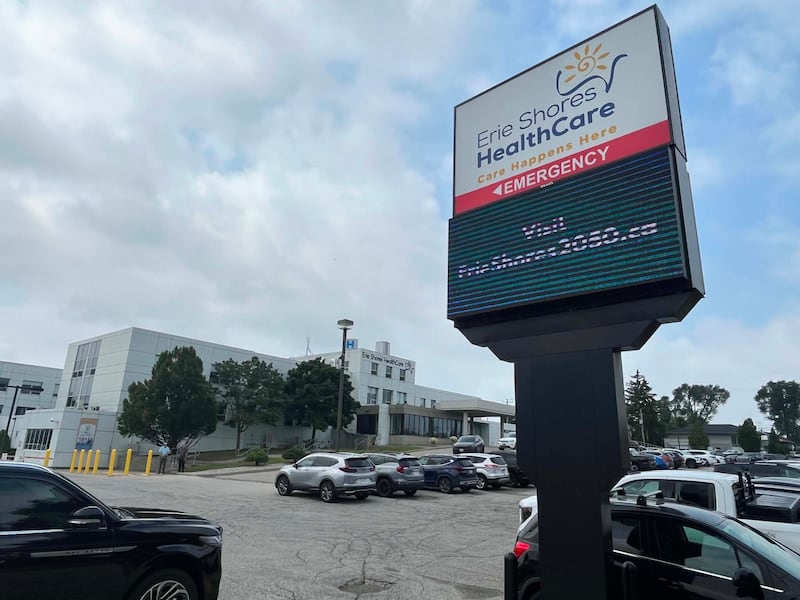
Officials said no administrative layoffs are anticipated. Instead, vacancies at one organization can be filled by sharing expertise from the other rather than recruiting separate employees.
“There are significant financial constraints everywhere right now,” Dryden said.
“It’s really thinking about how can we be the leaders in this and what can we do differently to save money while preserving our dollars for care?”
Erie Shores HealthCare board chair Tom Marinelli said maintaining local governance was a key condition of the agreement.
“The hospital isn’t going away,” Marinelli stated.
“We’re strengthening some of the skill sets that we wouldn’t have, being a smaller hospital. The board of directors is still going to be there.”
He said discussions began after Kennedy, who previously served as Erie Shores’ president and CEO before moving to Windsor Regional, emerged as the preferred candidate during Erie Shores’ CEO search.
“We thought maybe we could share CEOs,” Marinelli said.
“We want to maintain our governance over Erie Shores, but we want to get the best talent we possibly can.”
Windsor Regional board chair Ian McLeod said the anticipated savings will be directed toward patient care rather than staffing reductions.
“You’ll see that reinvested in patient care,” McLeod said.
“Our intent is to try and find efficiencies. By sharing positions, we find efficiencies right up front.”
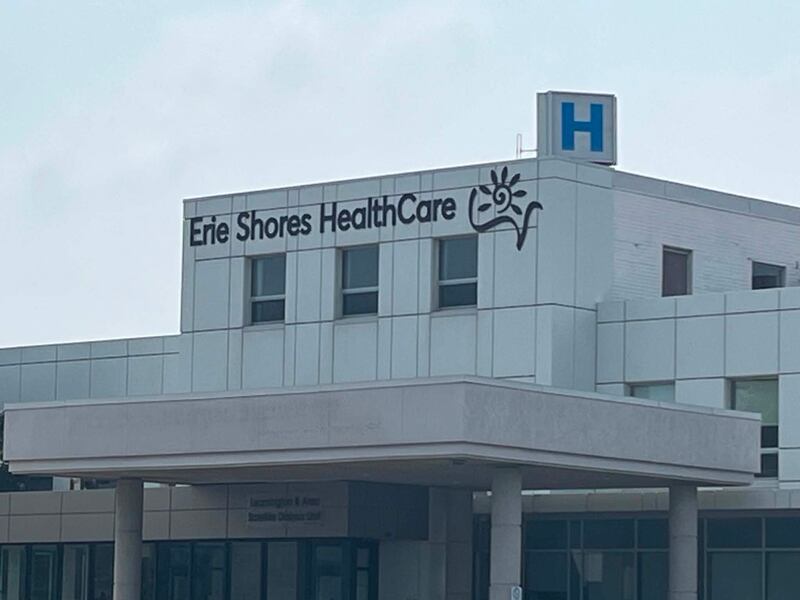
McLeod said both boards will continue exploring opportunities to share additional administrative functions where vacancies arise.
“What you’ll see hopefully in a year is that we continue to find other savings,” he said.
Hospital officials stressed the partnership will not affect clinical services or local decision-making, and any future initiatives beyond the administrative partnership would require separate approval by both boards.