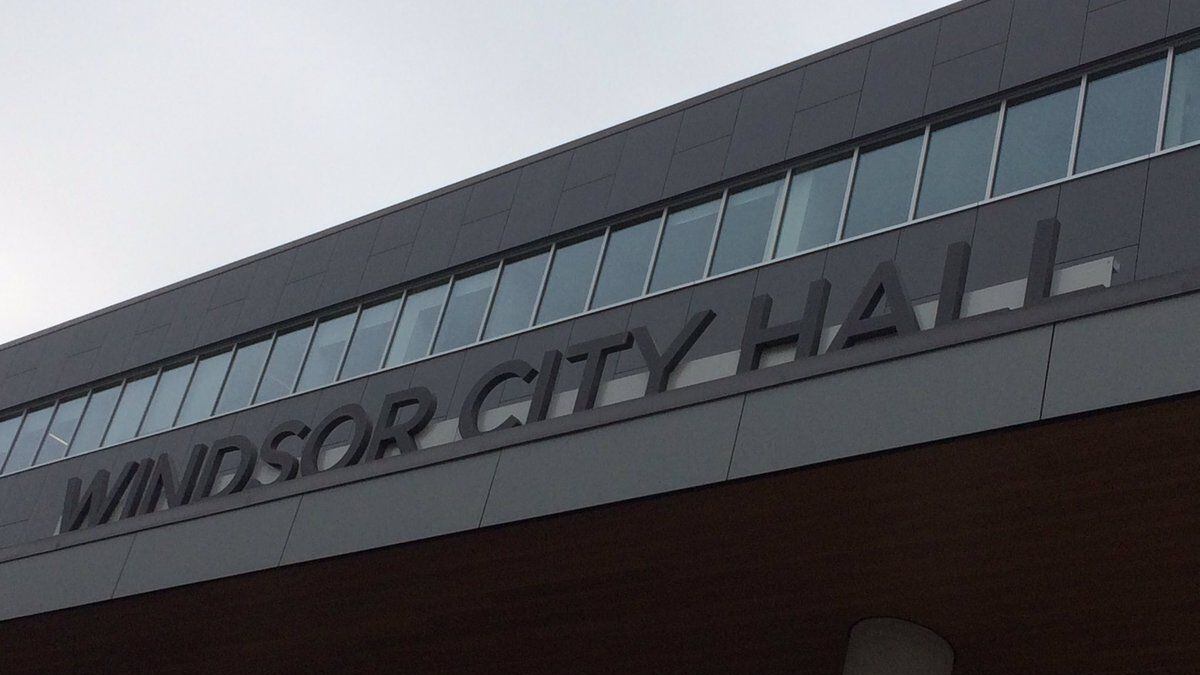
The City of Windsor and the Greater Essex County District School Board have announced a new partnership that involves the sharing of spaces
The City of Windsor and the Greater Essex County District School Board have announced a new partnership that involves the sharing of spaces.
The partners have entered into a Joint Use Agreement involving two schools and eight City parks.
The goal of the one-year pilot project is to maximize facility usage, reduce operating expenditures, share responsibilities and resources, and minimize duplications of constructing and operating gymnasium spaces.
Windsor mayor Drew Dilkens told AM800's The Morning Drive the program will involve two schools and eight City parks.
"What you'll see happen is the City of Windsor will offer our community centre programming from 6 p.m. to 8:15 p.m. Monday through Thursday at those two schools," he says. "The school board will be able to use eight different parks throughout the city at the same time to deliver school board type programming, whether it's football practice or sporting practice, whatever they need to do."
The schools that are part of this program are William G. Davis Public School at 2855 Rivard St. and Talbot Trail Public School at 4000 Ducharme St.
The following City parks will be part of the pilot: Lanspeary Park, AKO Park, Realtor Park, Riverside Miracle Park, Ford Test Track Park, Forest Glade Optimist Park, Wigle Park, and Bush Park.
Dilkens says this new partnership is cost neutral.
"It's part of the Recreation Master Plan and it allows us to expand the delivery of programming in the neighbourhoods where kids go to school without having to spend any more money on building infrastructure because the buildings already exist. From our perspective, a school building is really not used after 6 o'clock at night," he says.
The City's Recreation Master Plan (RMP) was approved by Windsor City Council in 2019 and intended to serve as a guiding document for the next twenty years. One of the key recommendations encouraged the City to engage local school boards to determine the feasibility of reciprocal use agreements to establish community hubs - opportunities for the municipality to form partnerships with agencies, non-profit, volunteer and/or private sector organizations to centralize complementary community services.
This new agreement took effect on September 1st.