


The Canadian government has chosen a German company to build Canada’s new submarine fleet.
Two senior industry sources with knowledge of the process have confirmed to CTV News that Germany’s TKMS will be awarded the lucrative contract for 12 new submarines.
Prime Minister Mark Carney will officially announce the decision, which was first reported by the Globe and Mail, in Halifax on Monday before heading to a NATO leaders’ summit in Turkiye.
TKMS is the world’s largest manufacturer of non-nuclear submarines and supplies approximately 70 per cent of NATO’s fleet. Also known as ThyssenKrupp Marine System, the TKMS bid was made in partnership with Norway.
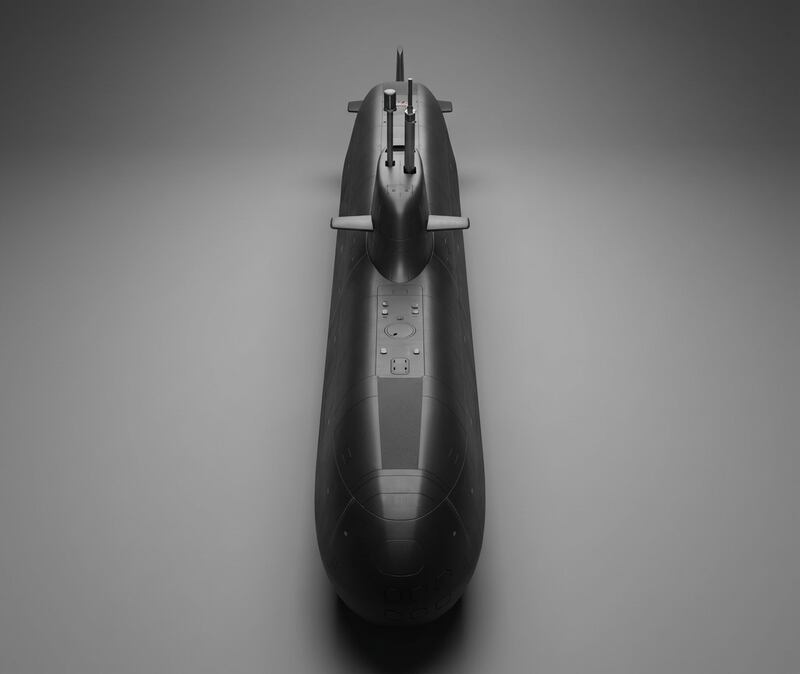
Along with procuring the submarines, Canada’s project involves paying for 30 to 50 years of maintenance. The contract, over its entire lifespan, has an estimated value of more than $100 billion. According to industry sources cited by Reuters, the submarine order itself is estimated to be worth more than US$12 billion.
The first submarine is supposed to be delivered by 2035, if not sooner, so the current fleet can be retired.
Germany has said it could deliver four submarines by 2036. TKMS has not provided CTV News with a cost estimate for its vessels but has said it is willing to speed up delivery of the submarines by moving up Canadian orders in its production queue.
One of Canada’s largest ever military procurements, the vessels are meant to replace Canada’s current fleet of four British-made Victoria-class submarines, which have been plagued with issues since they were purchased in 1998. Canada has four of these submarines but only one is considered fully operational.
In the last few weeks, there have been some hints about the direction the government was going with the submarine contract. In late June, Canada’s Department of National Defence posted an advanced contract award to a consulting firm that has experience in dealing with submarines and NATO countries. One of the strengths the Germans kept touting in their bid was compatibility with NATO. South Korea is not a NATO member, and the Germans argued that Hanwha did not have the same connectivity with NATO countries that TKMS, the German-Norwegian consortium, does.
German Ambassador to Canada Tjorven Bellmann told CTV’s Question Period in June, that this deal would achieve a strategic partnership on a higher level at a time of geopolitical uncertainty. Bellmann said that this partnership among close, trusted allies would allow crews to be interchangeable.
“We are not really interested in a classical customer-producer relationship,” she said. “We really want to bring Canada into this proven relationship and partnership we have with Norway with equal decision rights for anything that comes in the future and we want to build the biggest conventional submarine fleet around the same model, around the globe.”
The Globe and Mail reports that negotiations will continue to finalize a deal after TKMS is announced as the preferred bidder, which is not necessarily a guarantee that a contract will be signed.
Carney’s government has vowed to meet NATO’s new defence spending target, which is pegged at five per cent of member nations’ GDP. Canada reached the alliance’s previous two per cent benchmark earlier this year.
What are the Germans proposing?
TKMS is pledging $160 billion in economic activity in Canada, $86 billion in GDP and more than 650,000 jobs over the entire project. The German-Norwegian consortium has not provided a time-frame for its calculations, but the lifespan of one submarine can range between 30 and 50 years.
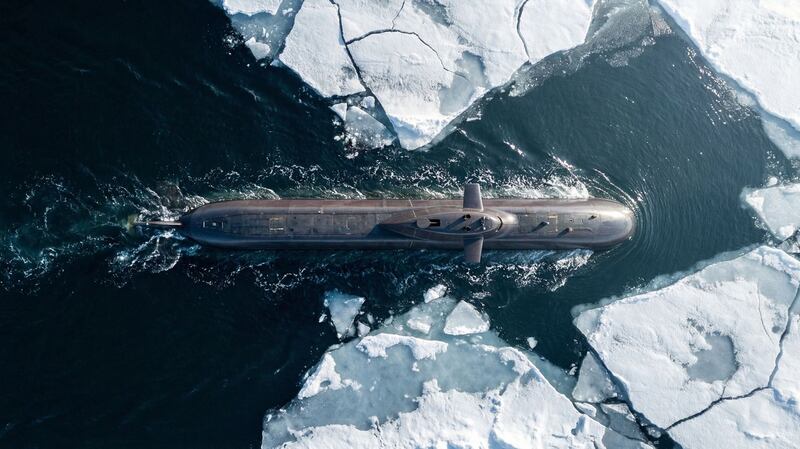
TKMS also says it has signed 19 memorandums of understanding in recent months, including agreements with companies like Seaspan Shipyards, EllisDon, and Marmen.
The Germans are also proposing to manufacture torpedoes in Canada and buy billions in liquified natural gas (LNG). According to CBC News, the German government is backing major investments in the Port of Churchill in Manitoba to help get critical minerals and LNG to market. It also wants to invest in a carbon capture facility in Alberta.
But unlike Hanwha’s proposal to use Canadian steel in the production of their submarines, sources tell CTV News the German 212CD will not have Canadian steel in its submarine. The vessel requires a type of magnetic steel that is not produced in this country, but the official who spoke to CTV News said that TKMS will invest in the domestic steel industry in another way, though no details have been provided.
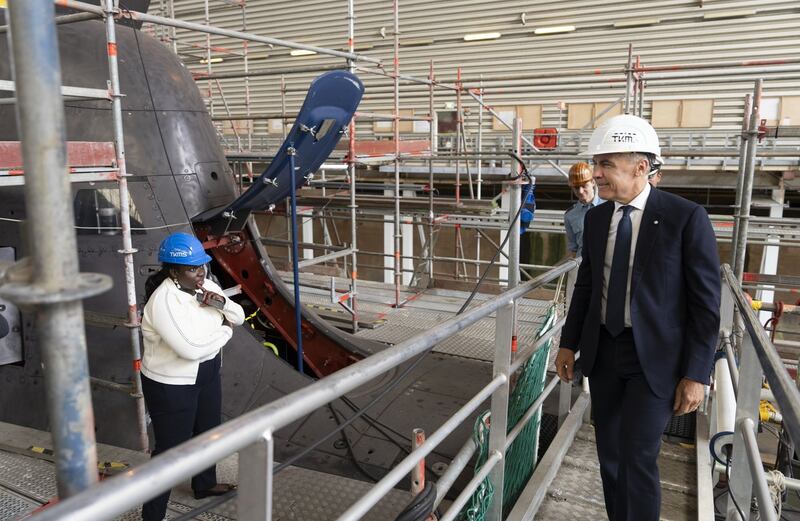
However, NATO allies have proposed building some of their vessels, or parts for them, in Canada. The Germans and Norwegians have also offered to “sail together” on their boats as one NATO allied unit and give Canada access to TKMS facilities in Europe, India and Singapore.
“If Canada, decides to… want to produce on its own, on its own territory, from which point of time ever, then this is possible, too,” said Germany’s Defence Minister Boris Pistorius during a visit to Canada in October 2025.
With files from Reuters, The Associated Press and CTV News Ottawa Bureau Chief Graham Richardson and CTV News senior correspondent Judy Trinh.